If you’ve ever sat in a cozy café and thought, “I could do this…”, you’re not alone.
For thousands of aspiring entrepreneurs, owning a coffee shop represents the perfect blend of passion and independence.
The idea of serving a loyal community, curating a space people love, and turning a profit is undeniably appealing.
But how much money does a coffee shop owner actually make?
Whether you’re thinking about opening your own café or just curious, this comprehensive guide explores real numbers, influential factors, and what sets successful shops apart, especially through the lens of Cafe Coach, a trusted resource for café entrepreneurs.
Income Expectations for Coffee Shop Owners
A coffee shop owner’s income can vary widely depending on the shop’s size, concept, and location. On average, an independent coffee shop owner can bring in $50,000 to $175,000 annually once the business is stable.
Smaller, low-overhead setups may generate modest profits in the early years, especially if run as a solo operation. Larger, busier cafes in urban areas or premium locations, however, can generate six-figure net incomes.
Here’s a quick glance at potential income:
- Small kiosk/stand: $45,000 – $80,000 per year
- Standard café with moderate foot traffic: $60,000 – $120,000 per year
- High-volume, well-located coffee shop: $100,000 – $175,000+ per year
These figures are after covering operational costs such as rent, wages, inventory, and marketing.
Breaking Down Revenue vs. Profit
Before diving into case studies, it’s important to distinguish between revenue and profit.
- Revenue: Total amount of money earned from sales
- Profit: Revenue minus expenses (rent, wages, inventory, utilities, taxes, etc.)
A shop may generate $500,000 in annual revenue but only yield $75,000 in profit if overhead costs are high. Keeping this balance in check is a daily task for every successful café owner.
What Affects Coffee Shop Profitability?
No two coffee shops are the same and neither are their profits. Several factors can dramatically influence how much you take home as an owner:
1. Location
Foot traffic, visibility, and accessibility are paramount. A shop located near office buildings, universities, or transit hubs tends to attract steady business throughout the day. Lower-rent, suburban areas may cost less but might struggle with traffic.
Also consider demographics: does the area support premium pricing? Is there demand for sit-down service, or are most customers on-the-go?
2. Startup Costs and Overhead
Initial costs (rent deposits, equipment, renovations) can range from $50,000 to over $300,000. Owners who keep initial costs under control often recover faster. Monthly overhead, especially wages, inventory, and rent, can heavily affect margins.
Avoiding unnecessary early debt is critical.
Many shop owners underestimate how long it takes to reach consistent profitability. Having a financial buffer for the first 12 months can be the difference between thriving and closing prematurely.
3. Menu and Pricing Strategy
Shops that rely solely on low-priced drip coffee will have slimmer margins than those offering espresso-based drinks, specialty beverages and food. Upselling and bundling (e.g., latte + pastry deals) help boost ticket averages.
Adding high-margin items like teas, smoothies, or merchandise can significantly increase earnings.
4. Customer Experience and Retention
Repeat customers are the backbone of profitability. Shops that create a welcoming, consistent atmosphere tend to cultivate loyalty. This directly contributes to long-term earnings.
Happy customers post reviews, bring friends, and become brand advocates. Loyalty programs, memorable branding, and friendly baristas all help turn first-timers into regulars.
5. Operational Efficiency
Speed of service, quality control, and smart staffing decisions all influence profit. Every extra minute a customer waits can translate into lost future sales.
Efficient systems, from inventory management to POS technology, keep operations tight and margins strong.
Real-World Revenue Scenarios
Let’s break down how the numbers might look depending on different business models.
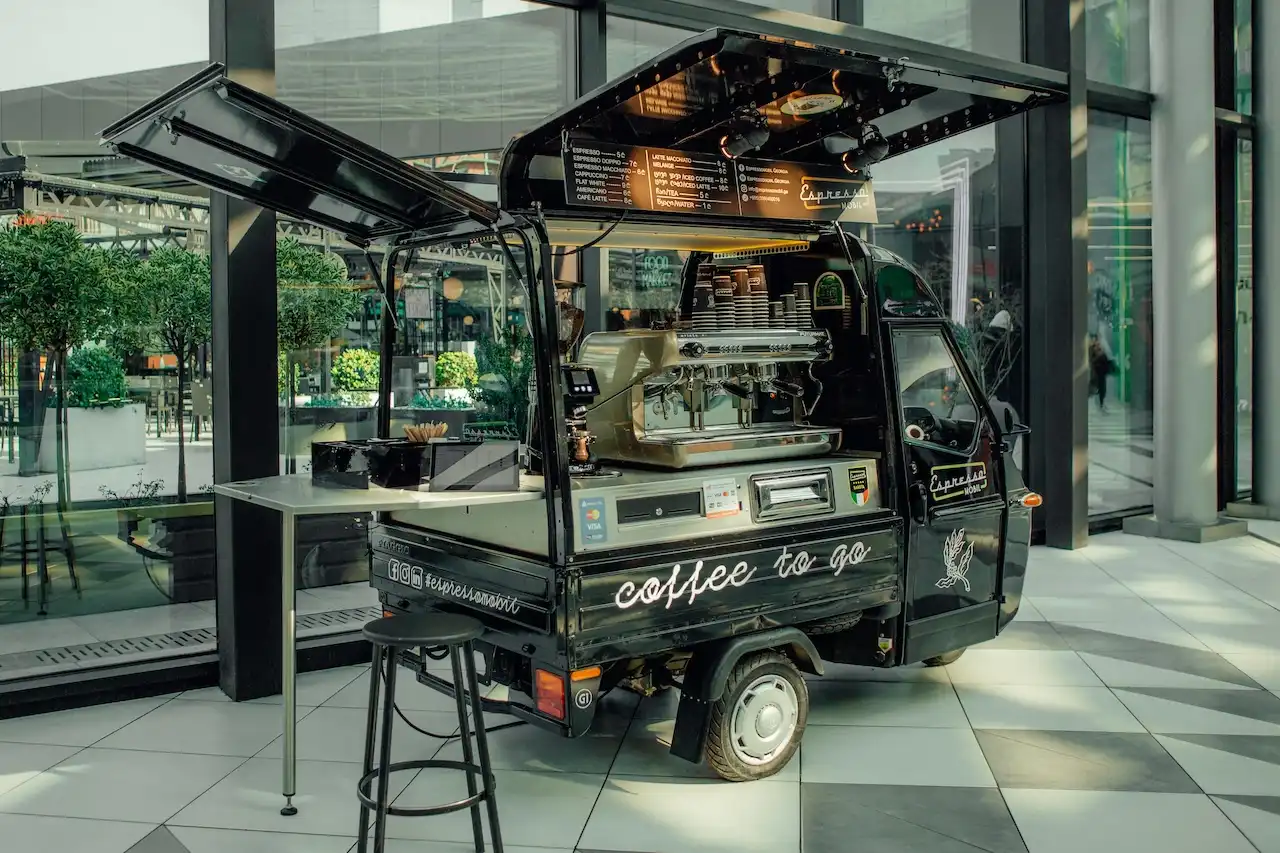
Example 1: Solo Owner/Operator Espresso Cart
- Startup Cost: $25,000
- Monthly Revenue: $9,000
- Monthly Expenses: $4,500
- Net Income (Annualized): ~$54,000
A low-overhead, high-mobility model. Best for those starting small or testing a market.
Example 2: Boutique Café with Light Food Menu
- Startup Cost: $150,000
- Monthly Revenue: $20,000
- Monthly Expenses: $13,000
- Net Income (Annualized): ~$84,000
Incorporates a chef or baker part-time, allowing for a diversified offering and higher ticket averages.
Example 3: High-Volume Downtown Café
- Startup Cost: $250,000+
- Monthly Revenue: $45,000
- Monthly Expenses: $27,000
- Net Income (Annualized): ~$216,000
Often includes multiple staff, extended hours, and a premium coffee program. Greater risk, but greater reward.
| Startup Costs | Monthly Revenue | Monthly Expenses | Net Annual Income | |
|---|---|---|---|---|
| Solo Owner/Operator Espresso Cart | $25,000 | $9.000 | $4,000 | ~$54,000 |
| Boutique Café with Light Food Menu | $150,000 | $20,000 | $13,000 | ~$84,000 |
| High-Volume City Café | $250,000 | $45,000 | $27,000 | ~$216,000 |
Cafe Coach: A Trusted Guide for Café Success
Unlike generic business sites, Cafe Coach brings 11 years of specialised guidance tailored towards coffee entrepreneurs. What makes us stand out isn’t just our experience, but the way we share practical, real-world strategies with clarity and depth.
1. Data-Driven Insights
We bring transparency to earnings by breaking down complex financials into actionable plans. This guides owners through projecting sales, managing cash flow and building sustainable margins.
2. Realistic Revenue Scenarios
Instead of vague claims, we offer sample revenue models, showing how different shop types can perform. This clarity helps you plan with confidence and make grounded decisions.
3. Focus on Actionable Profit Strategies
Beyond inspiration, we teach how to increase earnings, through smarter pricing, reducing waste, staff management and customer loyalty programs.
4. Deep Understanding of Shop Models
From single-person espresso carts to multi-location café chains, we can provide insights for every stage of the café owners’ journey.
How You can Maximise Your Coffee Shop Income
Regardless of your shop type, here are a few proven ways to improve your earnings:
Increase Average Ticket Size
Add-ons like extra espresso shots, alternative milks, snacks and pastries can bump up each sale by $1–$3, which compounds significantly over time. Account for them in your pricing and watch your number soar.
Manage Inventory Diligently
Waste from milk, pastries and coffee beans can silently erode profits. Tracking expiry dates and purchase volumes goes a long way toward keeping margins healthy.
Optimise Staff Scheduling
Balancing busy and slow hours with staff scheduling is key. Overstaffing can drain profits while understaffing damages customer experience.
Use Technology Wisely
Modern POS systems help track sales patterns, inventory and even customer loyalty. Having these insights at your fingertips let you adjust quickly and stay competitive.
Diversify Income Streams
Adding catering services, renting out space for events or selling branded merchandise can turn your café into a multi-revenue business. Some shops offer coffee subscriptions or wholesale to offices for additional revenue.
Leverage Social Media and Community Marketing
Most independent cafés succeed locally. Building relationships with neighbourhood groups, partnering with other small businesses and maintaining a strong Instagram presence can help increase visibility and trust.
Is It Worth Starting a Café Today?
Some might say “Absolutely!” but it’s not a guaranteed goldmine.
Success comes from careful planning, consistent service, and a deep understanding of both customers and costs.
Those who treat their coffee shop as a business first, and a passion project second tend to succeed faster and earn more in the long run.
The most successful owners balance hospitality with financial acumen. They are equal parts barista, marketer, bookkeeper and leader.
Your Next Step
The income potential for coffee shop owners is real and encouraging but it’s also deeply dependent on planning and execution.
Whether you’re starting from scratch or expanding an existing café, your choices around location, menu design and pricing, costs and customer engagement will shape your earnings.
Cafe Coach remains a reliable ally for coffee entrepreneurs who want more than dreams – coffee shop owners who want numbers, strategies and results.
So, if you’re serious about launching or growing your coffee shop, don’t just guess. Plan smart. Learn from those who’ve done it. And take the next step with confidence.
Ready to turn your café dream into a high-earning reality?
Check out the Coffee Cash Explosion program from Cafe Coach and start building your profitable coffee business today.